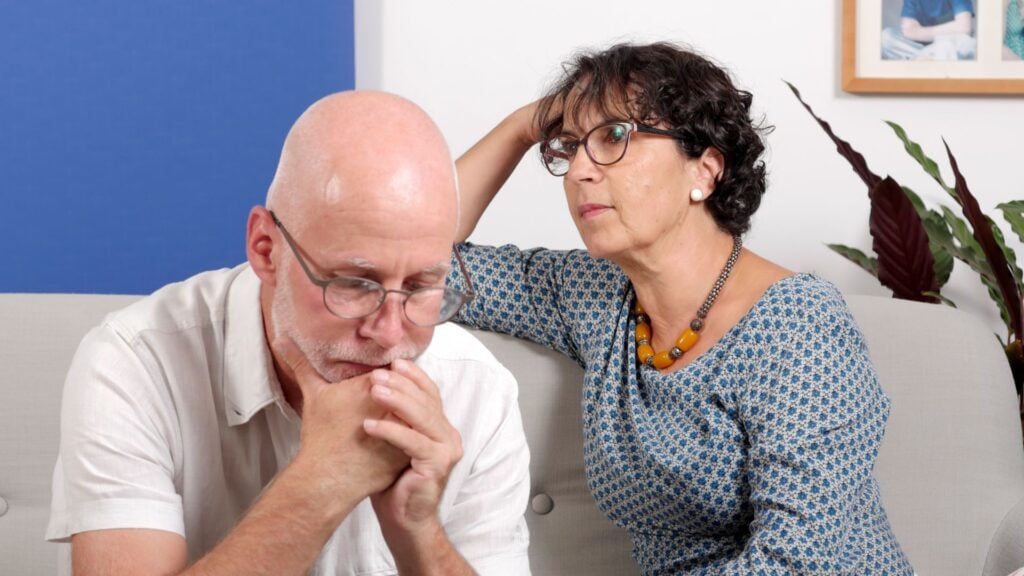


Couples therapy isn’t something anybody enters into lightly. However, many couples aren’t sure what to expect or what’s expected of them. In couples therapy, you’ll gain clarity about the kind of life you can have together and learn more about being the kind of partner you need to be in order to have the relationship you want. You may learn conflict resolution skills or how to deal with communication issues that cause friction.
The best place to start the therapy process is with the top issues or concerns that seem to be plaguing your relationship. From there, you and your couples therapist will create a plan that helps you understand yourself and each other to build a strong, healthy foundation that helps you both grow and thrive.
12 Topics for Couples Therapy
While you can discuss nearly any topic, below are the 12 most common topics people discuss in couples therapy.
1. Communication Concerns
Strong communication skills are essential for a happy, healthy, and balanced relationship. But no matter how good you think your communication skills are, when two people have different communication patterns or communication styles, signals can get crossed, and messages can be misunderstood. Over time, hot-button or sensitive topics can be challenging to discuss, resulting in one or both of you becoming angry, defensive, or withdrawing from the conversation.
When communication is challenging, it’s essential to approach every interaction with openness and patience. Couples therapy can teach both of you how to adjust your communication styles and expectations, resulting in clear, healthy communication that helps both of you understand what you’re trying to say.
2. Physical Intimacy
Even when you love each other deeply, there are plenty of things that can derail your sex life. Anything from boredom or mismatched sex drives to low libido from medication can get in the way. Even a lack of physical intimacy due to illness, stress, or psychological trauma can create havoc.
Couples in long-term relationships often have to try a little harder to find the passion they once had, and couples counseling can help you both identify any stressors that may be contributing to the issues and find solutions.
3. Emotional Intimacy
A strong emotional connection helps you and your partner feel safe and comfortable being vulnerable around each other. But sometimes one partner’s childhood trauma, unhealed emotional wounds, or other unresolved issues create a barrier that makes true emotional intimacy difficult.
While individual therapy sessions may be necessary, couples therapy can also help each partner learn how to support and care for each other with kindness and compassion while they heal and build a more connected relationship that lasts.
4. Parenting, Coparenting, and Blended Family Dynamics
Raising children, stepchildren, or grandchildren is stressful. Tips, techniques, and advice change frequently, and knowing what to do doesn’t always come easily or naturally. Even couples in strong and healthy relationships may struggle with these challenges. While that’s perfectly normal, when you and your partner don’t see eye-to-eye on parenting, it can create conflict and strife that can shake the foundation of your relationship.
5. Extended Family Dynamics
Outside of you and your partner (and maybe your kids), extended family members may impact your relationship in unhealthy ways. Our background, culture, religious upbringing, and more may be causing stress or tension with you and your partner.
Working with a couples therapist can help you identify these challenges and learn how to create healthy boundaries that allow you to put your relationship first.
6. Substance Abuse
When one or both partners are abusing drugs or alcohol, it’s difficult to keep a relationship healthy. Substance abuse often becomes the root cause of many conflicts. As those conflicts escalate, substance use often increases, perpetuating a vicious cycle that is destructive and in some cases, dangerous.
Having support through these challenges is a strong factor in any lasting recovery, and couples therapy can do more than guide you to recovery. It can help you navigate it.

7. Anger and Conflict Resolution
Anger — particularly unchecked anger — can be extremely destructive to a relationship, often leading to resentment, dissatisfaction, sadness, and depression. If one or both of you describe yourselves as “a hothead,” the situation can be especially challenging.
We bring our established patterns and habits into our relationships, even the ones others find unacceptable. However, when we ignore the needs and expectations of our partner, conflict and anger can develop. Couples therapy can teach both of you healthy conflict resolution skills you can use to improve your communication patterns and learn coping and mitigation strategies to help you learn how to diffuse and manage anger.
8. Infidelity
Infidelity means different things to different people. Sometimes, it’s a physical affair. But micro cheating, an emotional affair, or the use of pornography may also be versions of infidelity that impact the relationship. No matter what happened, though, when one or both romantic partners are unfaithful, it can lead to feelings of betrayal, devastation, loneliness, anger, and confusion.
Some people come to couples therapy to see if they can recover after an affair, while others decide it’s time to end the relationship. Couples therapy helps people explore the reasons for the infidelity and choose the best path forward.
9. Unconscious Relationship Patterns
Our previous relationships can significantly impact our current relationships, without us ever realizing it. Carrying this emotional trauma into a relationship means we may never be able to intimately relate to our partner, leading to strain.
Even though we can’t rewrite history, there is a way to change the future. Whether our experiences are rooted in trauma, abuse, or another type of adversity, understanding where these thoughts come from is the key to breaking out of negative patterns.
10. Life Transitions
Whether expected or unexpected, major life transitions can be exciting and stressful, impacting your relationship. An empty nest, relocating for a job, or taking care of aging parents can rock the foundation of your relationship, particularly when one partner handles the transitions differently than the other, and not everyone is able to express their thoughts, feelings, and concerns in a healthy way.
Couples or marriage therapy can give you the space to discuss a future that honors both of your dreams and goals, helping you determine how you can work together as a team to make them a reality. One partner may need to explain their fears and concerns, so you come together as a couple and support one another through this next phase of life.
11. Defining Roles
Maybe you and your partner discussed who would handle what throughout your relationship. Or the conversation didn’t happen, and each of you gravitated toward the tasks you’re naturally good at, interested in, or have more experience in.
Now, though, one or both of you think it’s time for a change, or you’ve tried to shift the responsibilities without much success. Couples counseling can help you discuss the changes you’d like to make and establish what you’d like to stay the same.
12. Finances
Money is a significant pain point for many couples, so much so that some couples avoid talking about it until they absolutely have to. As difficult and as stressful as money talk may be, open and honest communication about spending, saving, and financial goals is critical.
Couples therapy sessions won’t help you figure out your finances, but they can help you learn how to better communicate about them and work together as a couple to achieve your financial goals.
Learn to Reconnect
Ultimately, couples therapy often leads to a better understanding of yourself, your partner, and how you relate to each other. Every couple has a unique way of interacting. Recognizing when those interactions are ineffective — along with the willingness to break them and develop better ones — is the ultimate goal, one a couples therapist can help you achieve.
At Anchor Light, all of our couples therapists are trained in the Gottman Method, an evidence-based approach that helps couples resolve conflicts, strengthen their relationship, and build a strong foundation for a lasting future. Contact us today to schedule your free consultation.