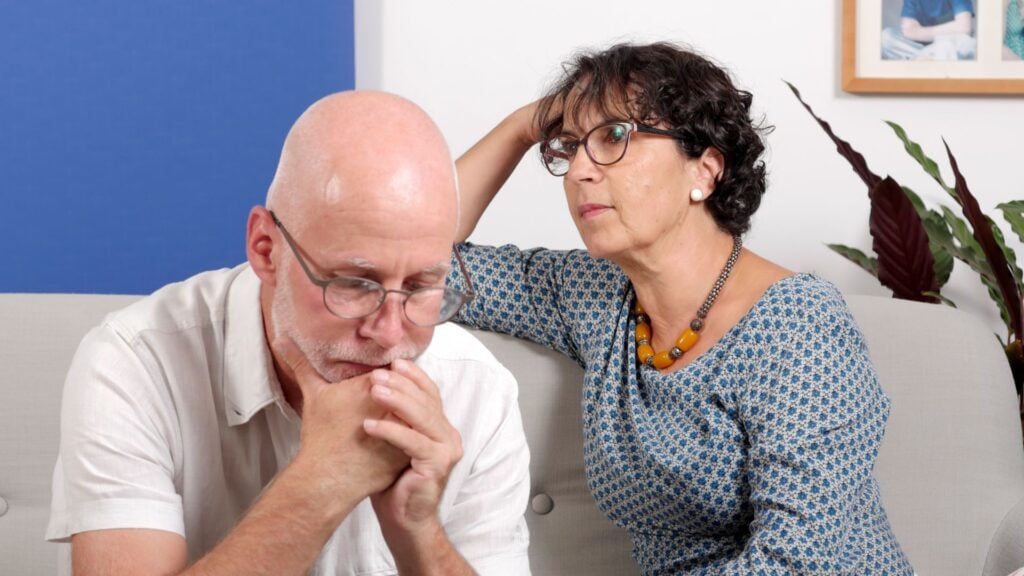


Deciding it’s time for couples counseling can feel like a monumental step. For many, it feels like an indication that something in your relationship is off, and that can be difficult to accept. Maybe one of you has been talking about going to couples or marriage counseling, but the other keeps putting it off because you don’t believe your marriage is struggling. If you haven’t been to individual therapy, the thought of discussing your intimate couple’s issues or your mental health challenges with a stranger may be stressful, especially if you don’t know how or where to start the conversation.
If any of this sounds familiar, you’re not alone. Your relationship may feel good, even great, or you may have experienced something serious and life-changing that impacted your romantic partner, and you aren’t sure how to keep going as a couple.
No matter why you’re considering couples therapy, there’s no one “right time” to start. But there are warning signs that indicate your relationship may benefit from counseling. Here are 15 times couples therapy may be in order and how it can help.
1. Changed Feelings
You’ve noticed you don’t have the same loving, passionate feelings toward your partner anymore. Or it feels like your relationship dynamics have changed. There’s a sense of resentment hanging over you, or every interaction feels uncomfortable and tense. It may feel like you’ve grown apart or are indifferent to your partner and your relationship.
How therapy can help: Couples therapy can help you identify the root cause of these feelings, explore why they happened, and help you get back to where you want to be
2. Communication Issues
Healthy, quality communication is vital in any relationship. But when discussions quickly turn to arguments or endless bickering, each of you may feel misunderstood, ignored, or overlooked. Conversely, you and your partner may be avoiding difficult conversations you know you should have because you can’t or don’t want to.
How therapy can help: Working with a couples therapist can help you develop the tools that will improve your ability to hear, connect, and understand each other, no matter how difficult the topic.
Should We Go to Couples Counseling Quiz
This quiz is designed to help you and your partner reflect on your relationship and gain clarity about whether couples counseling might be a helpful next step. There are no right or wrong answers — only honest ones.
Take this quiz individually, then compare your answers. Noticing where your perceptions differ can itself be a powerful conversation starter.
This quiz is for informational purposes only and is not a diagnostic tool. It can help you reflect on whether individual therapy might be beneficial for you. For a professional assessment, please schedule a consultation with one of our therapists.
This quiz contains 15 questions. Your responses are private. To see your results, enter your email after the quiz. We'll also send your results and some helpful information to your inbox.
Your Results
Get Your Results Emailed
Enter your info below and we'll send your personalized results to your inbox.
3. Conflict Feels Constant
The occasional argument is inevitable in any relationship. But when conflict and disagreement are a constant state of being, it can be exhausting. It doesn’t matter if it’s a minor disagreement or a major blowout. They happen frequently, perhaps every day, and may be followed by days of silent treatment. What’s more, you and your partner never address the situation, instead moving past the arguments as if nothing ever happened.
How therapy can help: Couples therapy can help you identify the root cause of your conflict and address it, while also teaching you conflict resolution techniques that ensure it doesn’t happen again.
4. Infidelity
Infidelity can come in many forms. While most people may think of a physical affair, an emotional affair or even micro cheating can be devastating to a relationship. When one partner is unfaithful, trust is broken, and you may feel like you’ll never be able to get it back.
How therapy can help: It may not be easy, but couples therapy can help you rebuild trust by giving you both a safe forum to express yourselves, be vulnerable, and help you work through this difficult time.
5. Trust Issues
Infidelity isn’t the only thing that can cause trust issues in a relationship. Lying or keeping secrets about money, work, friends, or hobbies can also erode the foundation of your relationship. Over time, a lack of trust can lead to one partner interrogating the other, creating distance and the inability to be open and vulnerable with each other.
How therapy can help: One or both partners started the relationship with the best intentions. But unresolved issues from childhood or a previous toxic relationship mean you or your partner has a hard time trusting. Similarly, neither of you may have trust issues at first. But over time, one partner made a decision or series of decisions that led to these issues. Therapy can help you explore and resolve your trust issues, so you can build a stronger, more trusting relationship.
6. Breaking Up Is on the Table
Not all relationships work out, and that can be difficult to accept, especially if you’ve been together for years (like in the case of a grey divorce). But we all deserve love, and we don’t have to live in constant misery just because we can’t bear the thought of moving on.
How couples therapy can help: If one or both of you have discussed ending the relationship, a couples therapist can help you explore the possibility of rebuilding and saving your relationship or help you decide that breaking up or divorce is the better path for everyone.
7. Major Life Stressors
Losing a job, a health crisis, or the loss of a loved one are significant life transitions that can impact your relationship. Because people think these events are “outside” of their relationship, the idea of couples counseling never comes up. After all, these life transitions aren’t between the two of you, right?
How therapy can help: Couples therapy can help you and your romantic partner come together as a team and navigate these stressors together. Uniting in the face of significant stress or a crisis can make your bond stronger, helping you face whatever comes next.
8. Your Emotional Support Is Outside Your Relationship
Our partners can’t meet 100% of our needs. They are one person in our lives and not superhuman. However, when they aren’t meeting some of your emotional needs, or you feel disrespected, unheard, or misunderstood, you may start to emotionally withdraw from the relationship. When that happens, the distance and disconnection create emotional barriers that drive a couple apart.
How therapy can help: Therapy can help you explore any unmet emotional needs you may be experiencing and help you find healthy ways to express those needs and have them met.
9. Your Partner Suggests Therapy
If your partner consistently suggests couples or marriage counseling, for a few weeks, a few months, or even a few years, chances are one of you is trying to decide if there’s a future for the two of you. The longer one of you resists, the more likely it is that the damage deepens and eventually, the scars may be impossible to heal.
How therapy can help: Therapy creates a safe place for both partners to express their fears, thoughts, and opinions, giving you the space to explore your dynamic.
10. Lack of Intimacy
While many of the signs it’s time for couples therapy are related to emotional disconnection, a lack of physical intimacy can also negatively impact the health and longevity of a relationship. When partners put off or avoid a physical connection, there can be feelings of frustration and loneliness, which contribute to an ever greater distance between partners.
How therapy can help: A therapist can help both of you explore your love languages to foster the understanding and respect each other needs physically and emotionally.

11. The Past Impacts the Present
When couples spend years avoiding tough topics, anger and resentment can linger. Over time, these past hurts build until they negatively impact the present relationship.
How therapy can help: Working with a therapist can help you not only identify but also resolve these resentments and develop the critical skills that help ensure they don’t return.
12. Money and Finances
Money is often a source of conflict and disagreement in a relationship. By some estimates, couples have as many as 58 arguments about money and finances every year. While some couples may disagree about how to spend versus save, other couples may feel financially strapped due to an extended job loss or carrying significant student loan debt.
How therapy can help: While a therapist can’t help you figure out your finances, they can help you and your partner feel more comfortable discussing the topic and come to an agreement on how to spend, save, and plan for future expenses.
13. Parenting Conflicts
Even when you’ve discussed parenting and child-rearing as part of your pre-marital discussions, kids can throw you a curveball. When that happens, responding as a team is more complicated than it seems. If you’re polar opposites on a decision or it feels like one of you is undermining the other’s authority, it can create stress, strain, and cracks in your foundation.
How therapy can help: A therapist can help the two of you understand each other’s child-rearing philosophy and come to a mutual understanding on parenting and present a united front.
14. You Blame Each Other
You may feel that your partner is to blame for everything that’s wrong in the relationship and may consider them the “villain” of your relationship story. While this may be true in rare circumstances, in most cases, each partner has contributed to the breakdown of the relationship.
How therapy can help: Understanding and acknowledging your role is only the first step. A therapist can help both of you identify why things unfolded as they did and then develop the tools to ensure you both recognize when you’re in the wrong, when you’re playing the blame game, and how to repair things.
15. You’re Committed to Your Relationship
Finally, the 15th and final sign it’s time for couples counseling is when you’re committed to the relationship.
While most couples come to therapy when their relationship is stressed, any couple at any stage of their relationship can benefit from couples therapy. It’s not an indication that your relationship is failing. Instead, it’s an active choice to maintain and strengthen the foundation you’ve already built.
How therapy can help: Attending couples therapy when your relationship is in a good place helps you gain a deeper understanding of who your partner is and what your expectations of each other and the relationship are, so you can weather the tides of change together.
Rebuild Your Relationship
If you’ve been wondering whether couples therapy can help you and your relationship, schedule a consultation with the team at Anchor Light Couples Therapy today. The sooner you start, the sooner you can mend the cracks in your foundation and build a stronger, happier relationship.