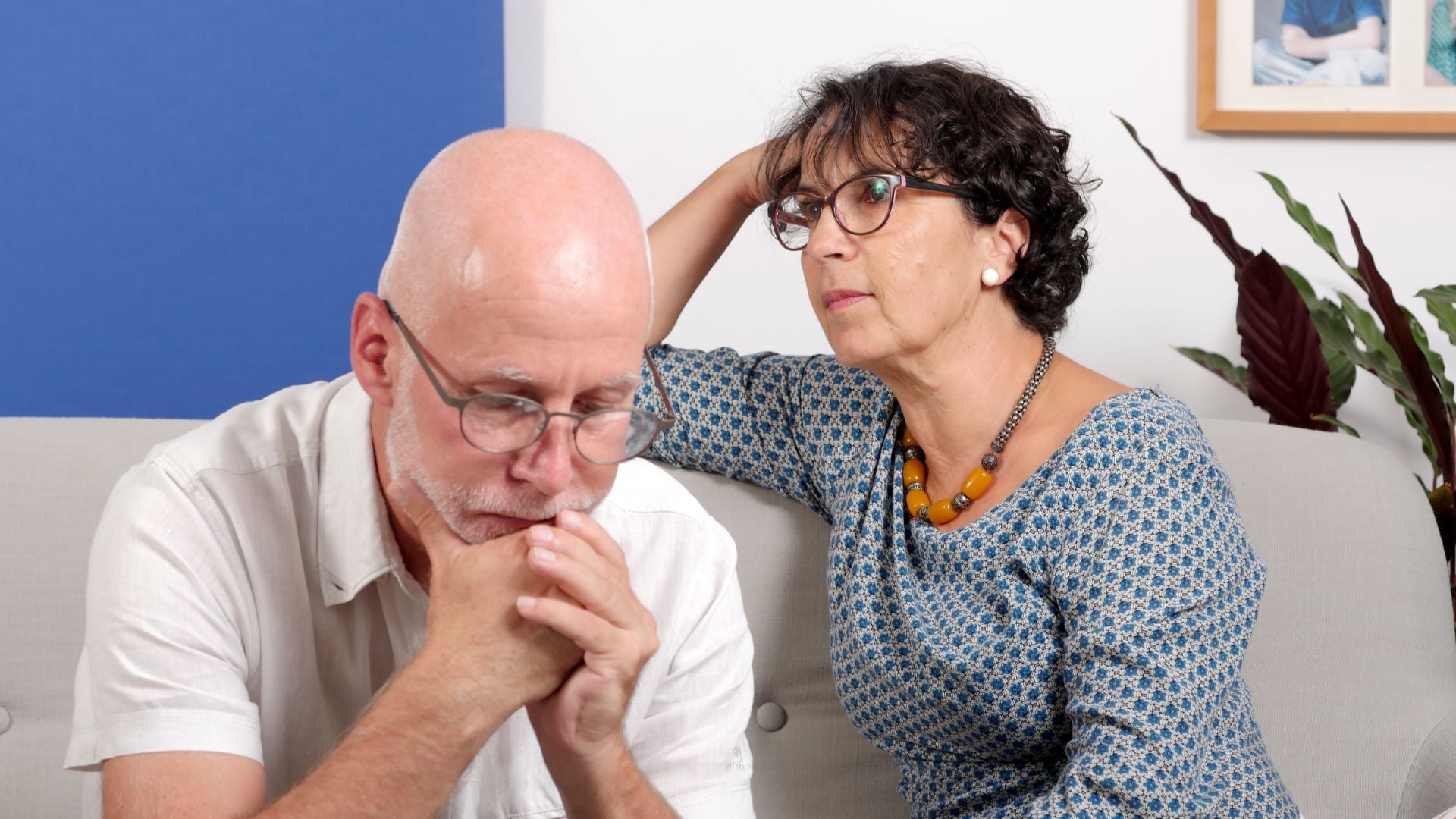
When a couple decides to divorce, it may not be an easy decision, but it may be the right one for everyone involved. While many people think navigating a divorce is “easier” when the kids are grown, that’s not always the case.
In a grey divorce, the couple is often older, and the kids (if they had any) are usually grown and out of the house. While that simplifies some issues, it complicates others, like splitting the equity in a house that’s likely paid off or divvying up retirement assets.
But what causes a grey divorce? What are the emotional impacts on everyone involved, and how can you take care of yourself during a grey divorce?
What Is a Grey Divorce?
The term “grey divorce” describes couples in a long-term marriage who divorce later in life. In most cases, both partners are over the age of 50, have adult children, maybe grandchildren, and intertwined finances (like a house or both couples are relying on one partner’s income or retirement assets). The term can also describe any married couple who divorces when they’re over 50, even if they didn’t marry until their late 40s or when only one partner is over 50.
What truly makes a grey divorce unique is that the decision to divorce often coincides with major life transitions, like retirement, an empty nest, or changing priorities. These events may not be the only reason a couple chooses divorce, but they are often the catalyst for reevaluating the relationship.
How Common Is Grey Divorce?
While grey divorces aren’t a new concept, until recently, they were relatively uncommon. In 1970, only 7.8% of all U.S. divorces were grey divorces. That number dipped slightly to 7.1% by 1980, but by 1990, the number rose to 8.7%. By 2010, 27% of all divorces were a grey divorce, and by 2019, that number was 36% — more than one in three. That same year, over 9% of people in those grey divorces were over the age of 65.
Put another way, between 1990 and 2019, the number of grey divorces quadrupled, increasing by nearly 314%.

What Can Cause a Grey Divorce?
While that increase is astounding, in some respects, they make sense, given the societal changes that occurred in the same time frame. Divorce isn’t as stigmatized as it once was, making it less likely someone will stay in a relationship for appearance’s sake. And as life expectancy rates have increased, some people decide they don’t want to spend another 20 or 30 years in a relationship that isn’t working for them.
But the decision to divorce later in life generally doesn’t happen overnight. As therapist Jason Hubbartt, LMHCA, notes, “Many grey divorces are not caused by a major event. They are the result of years of emotional drift and unresolved issues that finally become impossible to ignore.” Therapist Lauren Johnson, LMFT, concurs, noting that many couples have “a pattern of emotional disengagement or built-up resentment from wounds that were never repaired.”
Some grey divorces are even less dramatic, as therapist Carolyn Todd, LMHCA, ATR-P, observes. “People change, relationships evolve, and sometimes what once held two people together quietly shifts over time.” While major life transitions can bring concerns to light, sometimes it’s something more simple like, “one or both partners arriving at a place where they’re ready to honor a truer version of themselves.”
So, what are some of the causes of a grey divorce?
An Empty Nest
When all the children leave home (either temporarily for college or more permanently), the space that was once filled with school, activities, and a social calendar that may have been very kid-centric is now open.
Some couples relish this space, reconnecting as a duo and filling it with the things they may not have had time for. Others, though, find that having that open space forces them to confront any concerns or resentments they kept on the back burner or learn they’ve developed into entirely different people who no longer work well as a romantic couple.
Financial Concerns
While some couples stay together for their children, others stay together for financial reasons. For example, it may have been important to you and your partner that your kids be in a particular school or school district, but couldn’t afford two households to make that happen. But now you no longer need to keep the house in the “right” school district, so there’s no reason to continue forward as a couple.
A grey divorce may also happen due to a growing and significant difference in how each of you thinks about present and future finances. You may find it difficult to agree on how you prepare for retirement or whether or not to leave an inheritance to your children.
Financial Independence
Another reason for the rise in grey divorces is women’s increased financial independence. Gone are the days when women couldn’t own property or have a credit card in their own name, and many earn enough to support themselves or even be the primary earner in the relationship. As that happens, some women reevaluate their relationship and conclude they don’t need to remain in a partnership that’s financially secure but doesn’t satisfy them emotionally.

Infidelity
Infidelity can lead to divorce, no matter how long the marriage has lasted or how old each partner is. It may be the first time one partner was unfaithful, or it could be a part of a larger pattern of ongoing infidelity, micro cheating, or betrayal that’s eroded the trust and foundation of the partnership.
In older couples, the stress of being a caregiver to a partner or family member, or the financial strain of supporting adult children, can result in emotional affairs with others who may be in a similar situation and understand the challenging dynamics.
Health Challenges
As we age, our health doesn’t remain as optimal as it once was. For many people, this leads to common signs of aging, like moving a little slower or having less flexibility. For others, though, it can cause more serious health and medical issues. Some relationships can weather these challenges, but not all do.
It’s also important to note that even if you and your partner remain relatively healthy into your fifties and beyond, the health challenges of family members can impact your relationship and possibly lead to a grey divorce. You and your spouse may find yourselves helping and supporting aging parents or extended family, which can strain a relationship.
Changed Expectations
As we age, our sense of self often evolves and changes. Growth is often a good thing, allowing us to view challenges in a new light and become the person we’re meant to be.
But our personal growth can impact our relationship — particularly when one partner feels they’ve changed and the other hasn’t, or vice versa. What we expect from each other and our relationship may not be the same as it was at the beginning of the relationship, and it can cause couples to drift apart.
Emotional and Psychological Impact of Grey Divorce
The emotional and psychological toll of a divorce is real and should not be underestimated. However, in a grey divorce, those impacts may look and feel different.
“There’s a deep mourning process, not just for the relationship, but for the shared identity, the plans you’d built together, and the version of your future you thought you knew,” says Todd.
Grief and Loss
For many people, their marriage and their partner were a significant part of their life for so long that divorcing them is a major loss. “[You’re] not only grieving, but also experiencing the loss of identity, emotional security, routines, traditions, and social structures that may have existed for decades,” says Hubbartt.
Stress and Anxiety
Any divorce can cause stress and anxiety. Splitting possessions, dividing assets, and worrying about what your friends and family might think can create emotions you’re uncomfortable or even unfamiliar with. But in a grey divorce, stress and anxiety are compounded by starting over later in life.
You may be afraid of aging alone or worried about your health care needs later in life. Dividing bank accounts is never fun, but splitting up retirement accounts takes on new meaning when only one of you has worked throughout the relationship, or one of you earned more than the other, and you’re close to retirement — maybe already retired.
Even if none of these ring true to you, dating later in life is a unique challenge. Do you use apps to connect with potential new partners? Which ones? How can you be sure you aren’t being scammed? If you’re not using the apps, how do you meet potential new partners?
Loss of Identity
For some, their relationship is a significant part of their identity. Losing the relationship also means losing a huge part of who they are, and some people find it difficult to redefine themselves when they aren’t “husband,” “wife,” “partner,” or whatever they called themselves.

Loneliness or Isolation
As we age, we’re more likely to feel lonely. This can be due in part to leaving our job (many people forge strong social bonds and connections with their coworkers) or other life changes (like our friends moving away as they pursue the next phase of their lives). One of the advantages of having a long-term partner is that built-in social connection that many people want and need.
In any divorce, friends sometimes (unfortunately) choose sides, and one person may lose the connections they had forged across the years as part of a couple. Even if that’s not the case, you may not be as social with your shared friends as you once were to avoid running into your ex-spouse.
Renewal and Freedom
For some, a grey divorce creates a sense of renewal and freedom. They no longer feel tied to a relationship that doesn’t serve them, so while divorcing is still stressful, they also feel a sense of excitement at the idea of discovering who they are as an individual and single person in this new phase of life.
Likewise, some people may also feel ambiguous relief. While they’re sad their relationship is ending, they may also feel calmer after months or even years of unresolved tension or suddenly experience some of the autonomy they didn’t have when they were married.
Impact of Grey Divorce on Adult Children
While some couples wait until their children are grown to divorce, the reality is that no matter when a couple divorces, the children are impacted.
Just like you may mourn the loss of the relationship, children of every age may go through a similar process. “Adult children often have their own complex grief when parents divorce,” Todd says. “Their sense of family history and stability can feel shaken.”
You and your partner won’t have to worry about custody arrangements or child support, but there are still many details to work out. And often you have to take your adult children’s situation and opinion into consideration. For example, what will happen on holidays? Will you and your ex-partner visit your kids at the same time? And what happens if there are grandkids in the picture and in-laws want to visit on holidays, too?
You may also need to discuss caregiving expectations in both directions. For example, if you and your partner pitched in and watched the grandchildren (or grandpets), what happens once you’re divorced? Will you and your ex split the duties? Continue doing them together? And what happens if you or your ex-partner needs caregiving assistance as you age?
Open, honest conversations about these issues will help you and your adult children come to an arrangement that will likely need to adapt and change with time. But, as Todd notes, it’s important to approach this and every conversation about your divorce with “honesty, care, and openness to their reaction” because while they also grieve and experience this loss, they may react in unexpected ways that need to be honored and respected.
How to Take Care of Yourself During a Grey Divorce
You’ll likely experience a range of emotions during a grey divorce. And no matter which ones surface and when, taking care of yourself throughout the process is the key to helping you survive and even thrive.
“Self-care during a grey divorce is less about bubble baths and more about tending to your nervous system — slowing, staying connected to people who feel safe, and giving yourself real permission to grey without rushing toward okay,” says Todd. “As we get older, we often have a clearer sense of what actually restores us, and this is a moment to lean into that wisdom rather than push through or minimize what you’re carrying.”
Take Time to Grieve
As noted above, feeling grief and loss is perfectly normal. You’re forging a new and very different relationship with someone who played a huge role in your life for a long time, and it’s normal to feel sad about that change.
Allowing yourself the time and space to grieve the loss of the relationship and everything you built and planned together is normal and healthy.
Set and Maintain Boundaries
A healthy relationship has healthy boundaries that are respected by both parties. Perhaps that didn’t happen during your marriage, so now is a great time to work on establishing and maintaining the boundaries you didn’t have throughout the relationship.
But even if you had boundaries and your partner respected them (and vice versa), a grey divorce means those boundaries can and should change. Without them, it can be very difficult to move forward in a healthy manner.
Support Groups
A support group connects you with other grey divorcees who are navigating the same emotions and challenges you are. Listening and talking to peers about how they’re handling their divorce can provide you with the emotional support you need during a difficult and stressful time, helping you feel less alone.
They may talk about divorcing near or in retirement, how to handle your children’s and even grandchildren’s reactions, as well as how to rebuild your identity as an individual after decades of being a couple.
Build a New Community
When you divorce someone you’ve shared a large part of your life with for such a long time, you’re losing one of the deepest connections in your life. While you may not have what you had with your partner, it’s important to start connecting with new people to build a new and happy life.
To be clear, we’re not talking about romantic pursuits. It may be a long time before you’re ready to date again — if ever. What we’re talking about is making social connections that help you feel that you’re part of a group and help you feel confident about the next phase of life.
Navigating the Next Phase
Deciding to divorce is never an easy or simple decision, but it can be the right one for you and your relationship. And no matter your age, how long you’ve been married, or why you’re divorcing, the caring, compassionate team of couples therapists at Anchor Light Therapy can help you and your partner navigate this next phase of life.