

Discovering cheating in a relationship is often disorienting. It leads to feelings of betrayal, anger, and grief. For many couples, physical infidelity is a bright red line that signals the end of a relationship, though for some couples, emotional cheating is also a deal breaker.
But what about smaller acts of cheating? Like, if there’s a person you find attractive and you follow them on social media. Is that cheating? What about talking to someone you meet at a party? Is that inappropriate when you’re in a committed relationship?
These behaviors, and others, are commonly referred to as microcheating, the small behaviors that don’t quite cross the line, but come really close to it. How do these behaviors impact your relationship? Should they? And how do you handle it if they do?
What Is Micro Cheating?
Micro cheating refers to the small, ambiguous behaviors that don’t quite cross the line, but can undermine trust and create emotional distance in a monogamous relationship. The actions aren’t over or obvious, but, over time, these actions can cause one partner to question the other partner’s commitment to the relationship.
While micro cheating can feel like a betrayal of your relationship boundaries, it exists in a grey area that’s difficult to define, often because it’s not about what your partner did but how it made you feel. Your partner may or may not have intended to betray you, but their actions left you feeling angry, anxious, or concerned and worried that while they didn’t cheat on you this time, these types of interactions could lead to cheating in the future.
Examples of Micro Cheating
Ultimately, defining micro cheating is subjective and depends on the values and boundaries both partners in a relationship agree to. However, some warning signs that you or your partner are engaging in micro cheating include:
- Interacting with an ex-partner in a way that makes the new partner feel uncomfortable
- Flirting with someone outside of the relationship
- Lying about your relationship status
- Secretly giving gifts to someone
- Joining a dating site or keeping your profile active while you’re in a relationship
- Muting or deleting texts and social media chats so your partner won’t see
- Trying to impress someone who isn’t your partner
- Removing an engagement or wedding ring to hide your relationship status
- Not telling your partner about someone new when you’re in a polyamorous relationship
Not everyone agrees that these behaviors constitute micro cheating and, in some instances, are harmless. The concern is that labeling every interaction that takes place outside of your relationship as off-limits behavior is more damaging to a relationship. It can start to feel like one partner is manipulating and controlling the other. Instead of creating the space for healthy, open communication and conversation about each partner’s feelings, it can create an insecure attachment and relationship anxiety.
Is It Micro Cheating Quiz
This quiz is designed to help you and your partner identify what is and isn’t micro cheating within your relationship. It can help you understand each other’s perspectives and identify your boundaries.
Take this quiz individually, then compare your answers and note the differences. Use those differences as a jumping -ff point for discussing what you’re comfortable with as an individual and a couple.
This quiz is for informational purposes only and is not a diagnostic tool. It can help you reflect on whether couples or individual therapy might be beneficial for you. For a professional assessment, please schedule a consultation with one of our therapists.
This quiz contains 10 questions. Your responses are private. To see your results, enter your email after the quiz. We'll also send your results and some helpful information to your inbox.
How Is Micro Cheating Different From an Emotional Affair?
Micro-cheating and emotional affairs feature similar characteristics, like secrecy, hiding things, or becoming a slippery slope that leads to additional relationship betrayals. However, the defining feature of an emotional affair, sometimes called emotional cheating, is that an emotional affair involves a deep emotional investment and connection with someone outside of a romantic relationship.
In an emotional affair, one partner turns to someone else — like a co-worker or close friend, to meet their emotional needs the romantic relationship isn’t meeting. While the relationship starts as a platonic one, over time, it becomes something more, even if the relationship never crosses the line to physical infidelity.
How Does Micro Cheating Impact a Relationship?
Navigating micro cheating as a couple can be challenging, particularly when there’s disagreement about what behaviors are acceptable. However, without clear boundaries and agreements, micro cheating damages the foundations of a relationship, eroding the safety and trust necessary for a healthy relationship. It can cause:
- Anxiety. Fear the behavior will continue or lead to physical infidelity may result in chronic worry and hypervigilance.
- Paranoia. The betrayed partner may question everything about their partner’s actions, behaviors, and honesty.
- Loss of control. Over time, there may be a loss of emotional control. The worried person may invade their partner’s privacy (like breaking into their partner’s phone) or monitor their behavior.
- Low self-esteem. Over time, micro cheating can lead to feelings of inadequacy and rejection, damaging the person’s self-esteem.
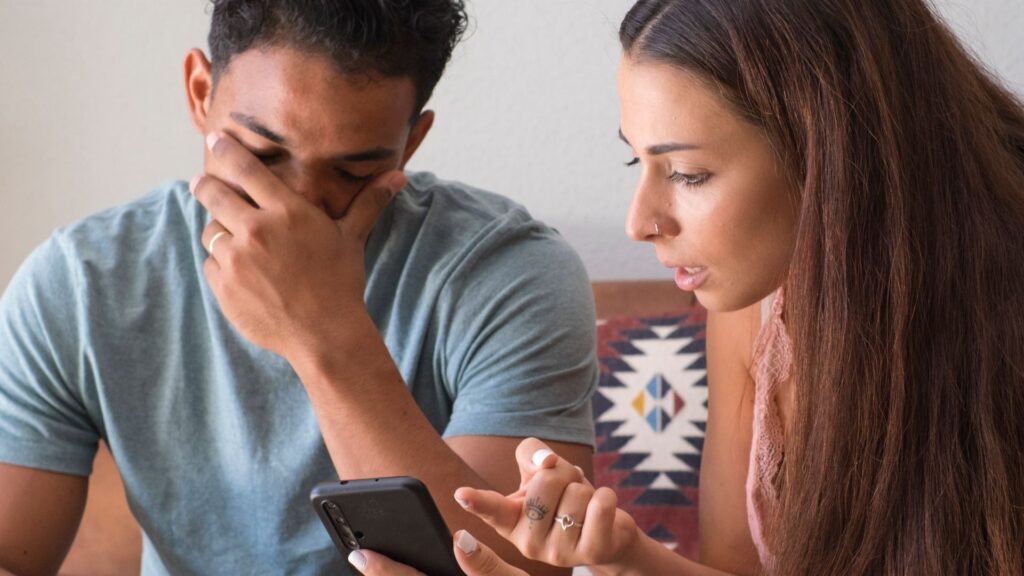
What To Do If There’s Micro Cheating in Your Relationship
If you suspect there’s micro cheating in your own relationship, it’s important to have an open and honest conversation about your feelings.
- Reflect. Start by looking inward and asking yourself why your partner’s behavior matters. Has a previous partner cheated or betrayed you? What you consider micro cheating may not be from your partner’s perspective.
- Communicate. The best place to start is with open, honest communication with your partner. Explain the behaviors you’ve been seeing and why they worry you. Then give your partner space to respond.
- Be open. If you suspect your partner is micro-cheating, listen to their response with an open mind. If your partner is worried you’ve been micro-cheating, answer with honesty and address their concerns without dismissing them.
- Set new boundaries. What counts as micro-cheating to one person may be innocent banter to someone else. As a couple, decide which behaviors are acceptable and which ones aren’t, ensuring you both consider your own needs and feelings.
Strong Foundations Build Stronger Relationships
A healthy relationship starts with a strong foundation built on trust, honesty, and open communication. The definition of micro cheating varies from couple to couple and is something only the two of you can decide together.
But if you’re having trouble coming to an agreement or micro cheating is already negatively impacting you, the experienced, compassionate couples therapists at Anchor Light Couples Therapy can help. Our team can help you understand each other, set new boundaries, and gain new insight and understanding into yourself and each other. Schedule your free consultation today.