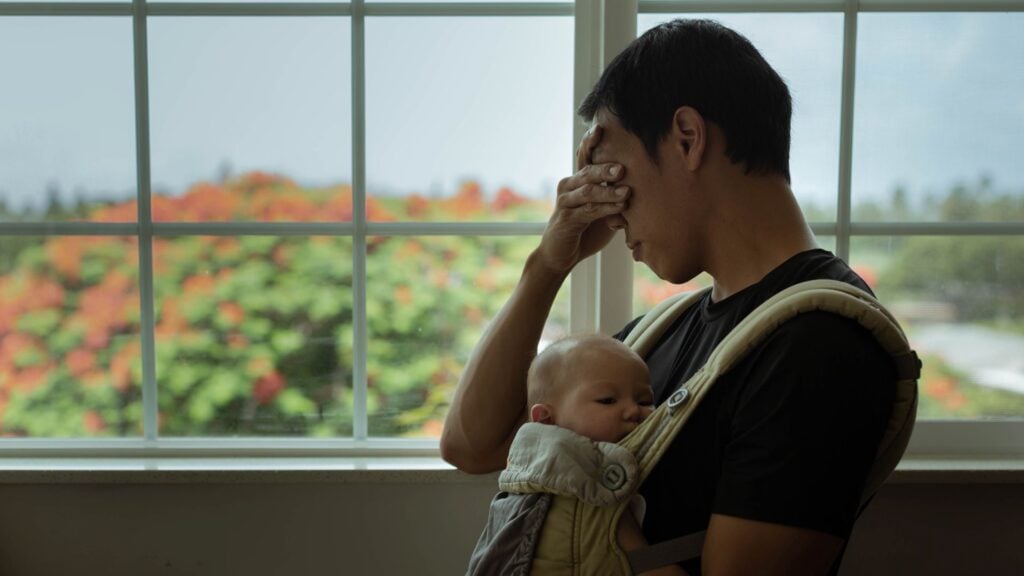
Having children is a long-term commitment. From the day they’re born, you’re responsible for everything from feeding to housing to keeping them safe. And while logically you understood that one day they’d grow up and become an independent adult, emotionally facing that your children are adults can be challenging for some.
Whether it’s college, joining the military, or starting a full-time job, children leaving the family home can be a turbulent time. Some parents are gutted, others are delighted, and many fall somewhere in between. It’s a time known as the empty nest, and it can impact all of your relationships.
What Is Empty Nest Syndrome?
Empty nest syndrome (ENS) is a common but subjective experience many parents have when their adult children leave home to start their adult lives. When your children have been present in your daily life for so long, a huge part of your self-identity is “parent.” When children leave home, you’re still a parent, but their absence can leave a void, and the shift to being empty nesters is a unique experience.
Because it’s subjective, there’s no one single definition for empty nest syndrome. But researchers created a theoretical model to describe the phases of empty nest syndrome. While not every parent will experience every phase when their children move out, it’s common for parents to cycle through:
- Mourning or denial. There may be an initial wave of sadness or anxiety, followed by a refusal to accept the change.
- Feelings of loss. Parents feel that something has permanently shifted or changed for good.
- Impulsive behaviors. Some parents channel their feelings into positive activities (like pursuing a new hobby or going back to school) while others act negatively (like overeating or being irritable).
- Adaptation. The parents begin to accept that their children are now young adults who can live independently.
- Relief. Parents accept they are empty nesters and embrace the new challenges that lie ahead.
Empty Nest Syndrome Symptoms
To be clear, empty nest syndrome is not a mental health or clinical condition, and it’s completely normal to experience:
- Fear
- Sadness or grief
- Stress or anxiety
- Guilt
- Loneliness
- Irritable
- Empty
- Powerless
- Hopeless
- Apathtic
when your children move out of the family home.
But empty nest syndrome becomes problematic when you’re not able to move on. The symptoms are similar to depression, and while feeling sad that your young adult children don’t spend time with you like they used to is normal, always feeling sad indicates you may need professional help.
The researchers also found that for most people, empty nest syndrome symptoms start when the last child leaves home and continue for approximately two years. If, over time, your symptoms don’t improve, and you:
- Can’t concentrate
- Isolate yourself
- Aren’t sleeping
- Are sleeping, but are still exhausted
- Experience appetite changes
You may need to seek professional help to cope with your empty nest syndrome.

Empty Nest Syndrome Myths
Because empty nest syndrome is subjective, no two parents have the same experience with it. Unfortunately, this has led to some damaging myths about it and what parents may feel.
Feeling Sad is Selfish
Many parents feel sad when their children leave home. It demonstrates how much they value the relationship with their children. However, some people believe that feeling sad about your children becoming adults and leaving home is selfish, but that’s not true. Every parent feels differently about the relationship with their children, and how sad you feel is no reflection on you.
You’re a Bad Parent If You’re Happy
On the flip side, there’s the myth that if you aren’t sad about your children leaving home, you’re also a selfish parent. Or, worse, you don’t care about your children. Again, empty nest syndrome is subjective, so you can feel as happy or sad about this new phase of life as you want and need to. You can be happy that your child is taking the next big steps toward an adult life, and also be happy that you are stepping back from some of your parental duties and responsibilities.
My Kids Don’t Need Me
It’s true that your children are now adults and may not need you as much as they did when they were younger, or they don’t need you as much now. But when you have a strong and healthy relationship, your children will always need you and want you in their lives. They may not need you in the same way, but they’ll always want and need your love and support, no matter where they go or what they do.
Coping With Empty Nest Syndrome
You probably can’t stop your adult children from moving out when they’re ready, but you can take steps to cope with the change it will bring.
Prepare
Significant life events don’t often come without warning, giving you time to mentally prepare for your empty nest. Make time for self-care in your daily routine to help you cope with the onslaught of emotions you may experience, and remember that you’re still a parent.
Set Expectations
Flying the nest for the first time is difficult for your child, too, making it the perfect time to set expectations around communication. How will you stay connected? How often will you text or talk on the phone? Discussing and planning your communication will help you feel more connected and less anxious when you don’t hear from them as often as you used to.
Celebrate
Letting children be the adults they are is hard when you’re their parent. But this is also a time to celebrate all that you, as a parent, did to help them get to this point. Reframing this next phase of life as an accomplishment instead of something to mourn can help you and your child feel proud of the past and excited about the future.
How to Navigate Empty Nest Syndrome in Your Relationship
An empty nest can also impact the relationship with your partner. Just like you went from couple to family, you’re now going from family to couple. Everyone reacts to an empty nest differently. You may want one thing, but your partner may want or need another, making it the perfect time to come together as a couple and plan for this next phase of life.
Reconnect With Your Partner
Because you’re a couple again, an empty nest is the perfect time to reconnect with your partner and spend quality time together — time you may have missed out on when the kids were still at home. Cook a romantic meal together, go to the movies on Tuesday night, and get to know each other again.
Engage in Activities
Raising children takes a lot of time and energy, but with them out of the house, you may find yourself with a lot of free time, or even too much of it. Take advantage of it and pursue old hobbies you didn’t have time for, or take up new ones. Volunteering is another great way to spend your newfound free time and give back to the causes you believe in.
Reframe
Just like you can reframe your children leaving as a celebration, you can also reframe this time with your partner. It’s not an empty nest. It’s a time to enjoy what comes next!
Spread Your Wings
The transition from child to adult takes time, but when it happens, it can be jarring. For some parents, it can lead to a sense of loss, while for others, a sense of freedom and joy. Both of these feelings, and the ones in between, are normal but not always easy to deal with.
If you’re struggling with an empty nest, unsure of how to navigate this transition, or how to reconnect with your partner, the compassionate, caring team of therapists at Anchor Light Couples and Family Therapy can help. Our team understands that life changes can be difficult and is here to help. Schedule your free consultation today and take the first steps toward better mental health.