
Postpartum depression is most often associated with mothers who have just given birth. And while it’s normal for new moms to have it, so can dads. Though overlooked, the medical community now recognizes that new dads can develop paternal postpartum depression. But postpartum depression doesn’t look the same in new moms and new dads, or happen on the same timeline.
What Is Postpartum Depression?
Many people experience the “baby blues” after the birth of a child. It usually starts a few days after delivery and lasts two to four weeks, resolving on its own. New parents may feel overwhelmed, anxious, and, of course, tired because they’re providing round-the-clock care to a newborn. They may have mood swings, crying spells, and anxiety.
Postpartum depression is more than the baby blues. Unlike the baby blues, postpartum depression is a type of depression that can start during a pregnancy and continue well after childbirth, but it can develop anytime during the 12 months following a baby’s birth. Some of the more common symptoms of postpartum depression are:
- Persistent sadness
- Intense anxiety or panic attacks
- Feeling detached from the baby
- Excessive worry about the baby
- Insomnia
In rare cases, postpartum depression can become postpartum psychosis, which requires immediate help. If you or your partner is considering harming themselves or the baby, seek help from a qualified professional.
It’s also important to note that developing depression after adopting a child is also common. Post-adoption depression is real, and anywhere from 10% to 32% of couples may experience it.
How Common Is Paternal Postpartum Depression?
Approximately 17% of women experience postpartum depression, which often develops within four weeks of delivery. Between eight and 13% of men develop postpartum depression within three to six months of the baby’s birth.
However, using the word “postpartum” to describe what dads experience is somewhat inaccurate. “Postpartum” means done or occurring after childbirth, something only a pregnant person can do. Because the mental health community is beginning to recognize that mothers and fathers can and do experience postpartum depression, it’s more accurate to call it perinatal depression.
Should We Go to Couples Counseling Quiz
This quiz is designed to help you and your partner reflect on your relationship and gain clarity about whether couples counseling might be a helpful next step. There are no right or wrong answers — only honest ones.
Take this quiz individually, then compare your answers. Noticing where your perceptions differ can itself be a powerful conversation starter.
This quiz is for informational purposes only and is not a diagnostic tool. It can help you reflect on whether individual therapy might be beneficial for you. For a professional assessment, please schedule a consultation with one of our therapists.
This quiz contains 15 questions. Your responses are private. To see your results, enter your email after the quiz. We'll also send your results and some helpful information to your inbox.
Your Results
Get Your Results Emailed
Enter your info below and we'll send your personalized results to your inbox.
What Are the Symptoms of Paternal Postpartum Depression?
Postpartum depression is diagnosed using criteria from the Diagnostic and Statistical Manual of Mental Disorders (DSM). While the language used in the DSM is gender neutral, traditionally, only women were screened for postpartum depression, since the onset of symptoms is tied to “parturition,” the act of giving birth.
What’s more, while the onset of symptoms can happen anytime in the first 12 months, most screening happens in the four to six weeks following pregnancy, and men are more likely to experience symptoms anywhere from 12 to 18 weeks after birth, meaning it’s possible that postpartum depression in either parent is missed.
While men may experience some of the “traditional” symptoms of postpartum, like fatigue, changes in sleep, or appetite, they are far less likely to experience some of the more outward symptoms of postpartum depression, like crying for no apparent reason.
In men, postpartum depression symptoms are more likely to include:
- Irritability
- Anger
- Sudden outbursts
- Violent behavior
- Increased risk-taking behavior or being more impulsive
- Low motivation
- Poor concentration
Postpartum depression in dads can also include physical symptoms, like headaches, muscle aches, or digestive issues, as well as behavioral changes, like working more or withdrawing from the relationship.
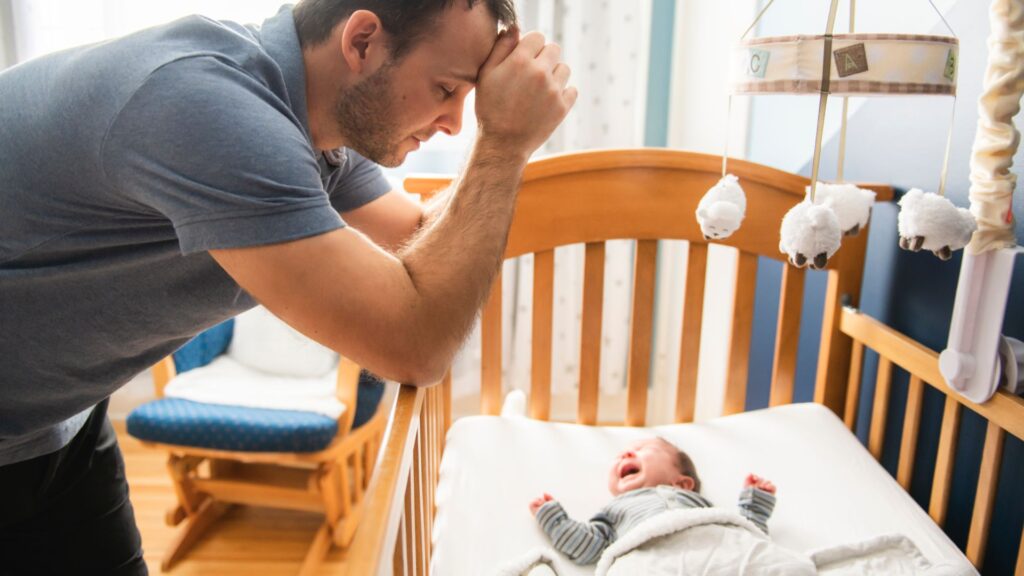
Causes and Risk Factors of Paternal Postpartum Depression
There’s no one cause of postpartum depression in men or women. However, some of the risk factors for postpartum depression in men include:
- A history of depression: A personal history of depression or other mental illness increases the risk of postpartum depression
- Having a partner with depression: Men with depressed partners may show signs of depression themselves.
- Being unemployed: being unemployed at any time can be stressful, but adding the responsibility of a new baby can magnify that stress.
- Lack of social support: lacking external support from friends, family, or the community can amplify the disconnected and isolated feeling many parents experience after their baby’s birth
- Low marital satisfaction: having a baby is a major life event, one that dramatically impacts your relationship, even more so when it’s on a shaky foundation
- Hormonal changes: men experience hormonal changes throughout their partner’s pregnancy. The drop in testosterone and increase in estrogen can impact them emotionally.
- Feeling disconnected: dads want to be part of the new baby experience but may feel excluded, especially if the mom is breastfeeding or spending extra time bonding with the baby.
Societal expectations and stigma may also play a role in the development of male postpartum depression. For example, traditional gender expectations may mean a new father feels pressured to be strong and provide for his new family. However, this may conflict with more contemporary norms that expect men to be more involved with child care and day-to-day parenting tasks.
Treating Paternal Postpartum Depression
Treating postpartum depression may involve a combination of medications, support groups, and psychotherapy. Some of the psychotherapy options include:
- Interpersonal therapy (IPT): a time-limited treatment that helps address the connection between relationship issues and mood
- Cognitive behavioral therapy (CBT): focuses on modifying negative thinking and making behavioral changes to help with coping and reduce stress
- Talk therapy: where the therapist listens and provides nonjudgmental support
Find Support and Healing
Adding a baby to the family is a significant life event, and feeling overwhelmed and anxious during those first few weeks is normal. But if those feelings linger or are interfering with your ability to adapt and cope, talking to an experienced professional can help you determine if you’re experiencing “baby blues” or something more serious.
The team of licensed therapists at Anchor Light Couples and Family Therapy can provide you and your partner with the care and support you need to navigate this change together, strengthen your bond, and build a healthy future together. Contact us to schedule your free consultation to learn more about how we can help you thrive.