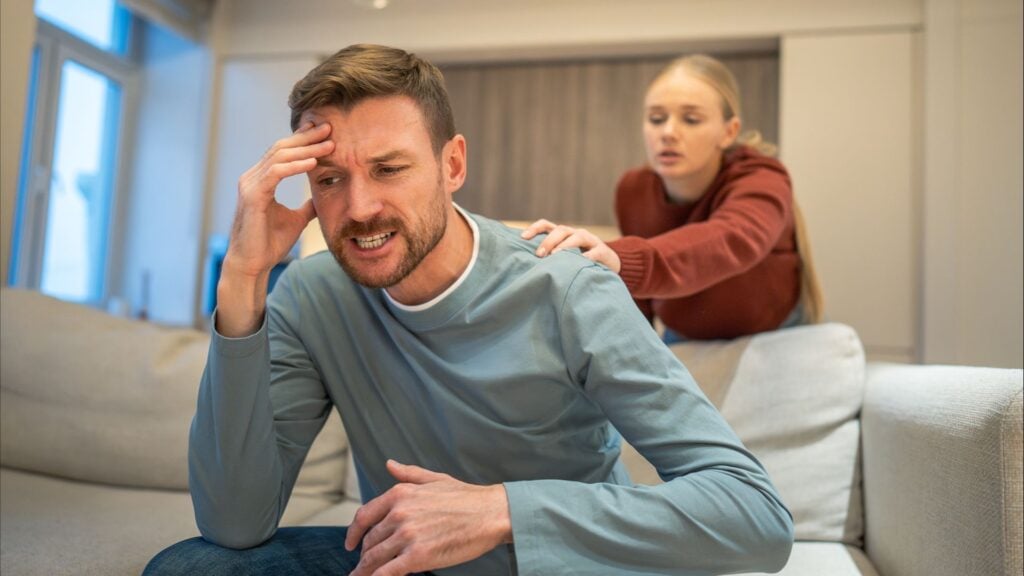

A sexual addiction is more than enjoying sex and wanting to have it a lot. It’s defined by the inability to control sexual urges, and the impacts on your daily life are real and often severe. Whether you think you have a sex addiction or suspect your partner has one, the impact it has on your relationship is equally real. But with professional support and a commitment to change, it is possible to repair your relationship.
What Is Sex Addiction?
Sexual addiction, sometimes called compulsive sexual behavior disorder (CSBD) or hypersexuality, is a pattern of intense, repetitive sexual thoughts, urges, or behaviors that feel impossible to control. In some respects, sexual addiction is similar to a substance abuse disorder, in that even though a sex addict has a genuine desire to stop their behavior, they can’t, despite the negative impact on every aspect of their life.
Sex addiction is not a recognized mental health condition in the Diagnostic and Statistical Manual of Mental Disorders (DSM-5). However, the World Health Organization (WHO) does recognize compulsive sexual behavior disorder as an impulse control disorder, defined by “a persistent pattern of failure to control intense, repetitive sexual impulses or urges resulting in repetitive sexual behavior.”
Are there Different Types of Sex Addiction?
Just like some people can drink alcohol without any problems, people can engage in all kinds of sexual activity without a problem. To be clear, everything listed below is normal sexual behavior, but they become compulsive sexual behavior when you continue to engage in it despite any negative consequences:
- Engaging in sex acts with your partner or others
- Pornography
- Masturbation
- Constant sexual fantasies
- Exhibition
- Voyerism
What Are the Symptoms of Sex Addiction?
Like substance use disorder, the defining symptom of compulsive sexual behavior disorder is a loss of control. You may want to stop and have even tried to stop thinking about or engaging in sex, but are not able to, causing emotional turmoil for you and your loved ones. You may have a sex addiction if you:
Have obsessive sexual thoughts
- Are unable to control your sexual urges
- Engage in sexual behaviors or activities to deal with stress or emotional pain
- Neglect your responsibilities and relationships in favor of your sexual urges
- Engage in more intense or risky sexual activities to get the same feelings or “high.”
- Feel shame, guilt, or regret. but continue to engage in sexual behaviors
- Not engaging in sexual activity makes you restless, tense. or irritable
- Cheat on your partner
Occasionally, but rarely, someone with a sex addiction engages in sex crimes, which can include paying others for consensual sex.
Should We Go to Couples Counseling Quiz
This quiz is designed to help you and your partner reflect on your relationship and gain clarity about whether couples counseling might be a helpful next step. There are no right or wrong answers — only honest ones.
Take this quiz individually, then compare your answers. Noticing where your perceptions differ can itself be a powerful conversation starter.
This quiz is for informational purposes only and is not a diagnostic tool. It can help you reflect on whether individual therapy might be beneficial for you. For a professional assessment, please schedule a consultation with one of our therapists.
This quiz contains 15 questions. Your responses are private. To see your results, enter your email after the quiz. We'll also send your results and some helpful information to your inbox.
Your Results
Get Your Results Emailed
Enter your info below and we'll send your personalized results to your inbox.
How Is Sex Addiction Different From Having a High Sex Drive?
Having a high sex drive or high libido is sometimes confused with sex addiction. While some sex addicts have a high sex drive, the difference between sexual addiction and a high sex drive lies in the consequences.
Someone with a high sex drive enjoys having sex and likes to engage in it often. However, they remain in control of their sexual urges. People with high sex drives don’t feel a compulsive need to seek out sex or sexual activity and don’t feel the same “withdrawal” if they can’t engage in it when they want. And when someone with a high sex drive engages in sexual activity, they don’t feel guilty or lie about it after the fact.
More importantly, the sexual behavior doesn’t have a negative impact on their life or emotional health. They won’t put sex above all other aspects of their life and won’t take unnecessary or risky chances to engage in it.
How Does Sex Addiction Impact a Relationship?
Like any other mental health condition, sexual addiction can negatively impact both partners in a relationship.
Errodes Trust
Sex addicts often hide the truth of their addiction. They may lie or withhold information from their partner, eroding trust within the relationship. Over time, the secrets and betrayals become emotionally taxing, which can lead to feelings of shame, doubt, embarrassment, or even PTSD for one or both partners.
Intimacy Issues
Being open, honest, and vulnerable helps partners forge and strengthen the emotional bonds that are critical to creating and maintaining a healthy relationship. However, sex addicts tend to focus on the act of sex itself, not the intimate bond it can create, leading to the partner feeling used and betrayed.
Physical Risks
As the addiction worsens, a sex addict may engage in increasingly risky behavior to get the same feeling they used to from more “tame” activities. Getting arrested is one consequence, but if the sex addict engages in sexual activities with multiple partners or fails to use protection, the risk of contracting and exposing the partner to sexually transmitted infections (STIs) increases, threatening their sexual health.
Obsession
While the sex addict may spend excessive time thinking about and engaging in sexual experiences, it’s not uncommon for the partner of a sex addict to develop obsessive thoughts as well. Similar to discovering cheating in a relationship, the partner may ruminate about the details of the addiction, wondering what happened and where or why.
Shame and Isolation
It’s also common for the partner to think that they failed their partner and contributed to their sex addiction, damaging their mental health. They may also feel isolated, unsure of how to talk to their support system about what’s happening, and worry that they may be judged or that their loved ones won’t understand that a sex addiction is more than “just” cheating.

Can You Treat Sexual Addiction?
Like an addiction or compulsive behavior, it is possible to recover from a sex addiction. While attending a support group, like Sex Addicts Anonymous (SSA), can help, you likely need to see a mental health professional for additional support.
In some cases, your sex addiction may be a co-occurring mental health condition, like bipolar disorder or PTSD, and treating the underlying condition can improve your sex addiction symptoms. Your therapist may use one or a combination of modalities to help you recover, including:
- Cognitive behavioral therapy (CBT)
- Mindfulness-based treatments
- Talk therapy
Attending couples therapy in conjunction with individual therapy can help you rebuild trust and improve communication within your relationship.
How to Handle Sex Addiction in Your Relationship
A sexual addiction can negatively impact the mental health of both partners in a relationship. While the support of a mental health professional can help a couple navigate an addiction, there are steps you can take to support and improve your emotional well-being.
How to Handle Your Partner’s Sex Addiction
Discovering your partner has a sex addiction can be devastating, leading to feelings of anxiety, self-doubt, and shame. While you may decide that ending the relationship is the right decision, you may also choose to continue, and if you do, you should take the following actions to ensure you take care of your mental health.
- Set and maintain boundaries. While you and your partner work toward repairing your relationship, setting and enforcing boundaries ensures you’re protecting your mental health. Depending on your situation, you may decide it’s best to forgo sexual intimacy for a time. Likewise, you need to follow through with consequences if your partner doesn’t follow through on their promises or violates your boundaries.
- Grieve. Even though addiction is defined by a lack of control, it’s normal to feel betrayed and equally normal to be angry, scared, sad, or any combination of emotions. Taking the time to grieve the relationship and partner you thought you had can help you clear the mental space you’ll need to approach their recovery from a healthy and safe place.
- Don’t compare. It’s natural to want to compare yourself to the other people your partner engaged with, but try not to. Ultimately, the addiction is about compulsive sexual behavior, not attraction or love.
- Take care of you. As much as you may want your partner to recover and as devoted as you may be to supporting that, you need to worry about your healing just as much. Addiction is not a linear process, so there may be times they slip. Understanding and even embracing that you can’t make them change will help ensure your mental health doesn’t crumble.
How to Navigate Your Sex Addiction and Relationship
If you have a sex addiction, know that with the right mental health provider and treatment plan, recovery is possible. Here’s how to navigate your relationship during and after treatment.
- Acknowledge the impact. Even though your addiction meant you weren’t in control, your behavior caused real and significant damage to your relationship. Explaining, minimizing, or justifying your behavior is unlikely to appease your partner. Now is the time to listen and validate your partner’s feelings, even when it’s difficult to hear.
- Be transparent. You likely kept secrets from your partner, eroding the trust you once had. Rebuilding that trust will take time and may require you are completely open and honest with your partner in ways that may make you uncomfortable, anxious, or even scared.
- Attend couples counseling. Seek professional help to help you and your partner process your difficult emotions, and learn healthy ways to recover as a couple and rebuild your relationship.
Find Emotional Support
Repairing a relationship while recovering from a sex addiction is a complex process that takes time and expert guidance. Both partners need to rebuild their communication skills and trust, as well as learn how to support each other through this difficult time and beyond.
The caring, compassionate team of mental health professionals at Anchor Light Couples Therapy can help. Their extensive training and experience with multiple treatment modalities ensure you receive the care and support you and your partner need. Contact us today to schedule your free consultation and take the first steps on your healing journey.